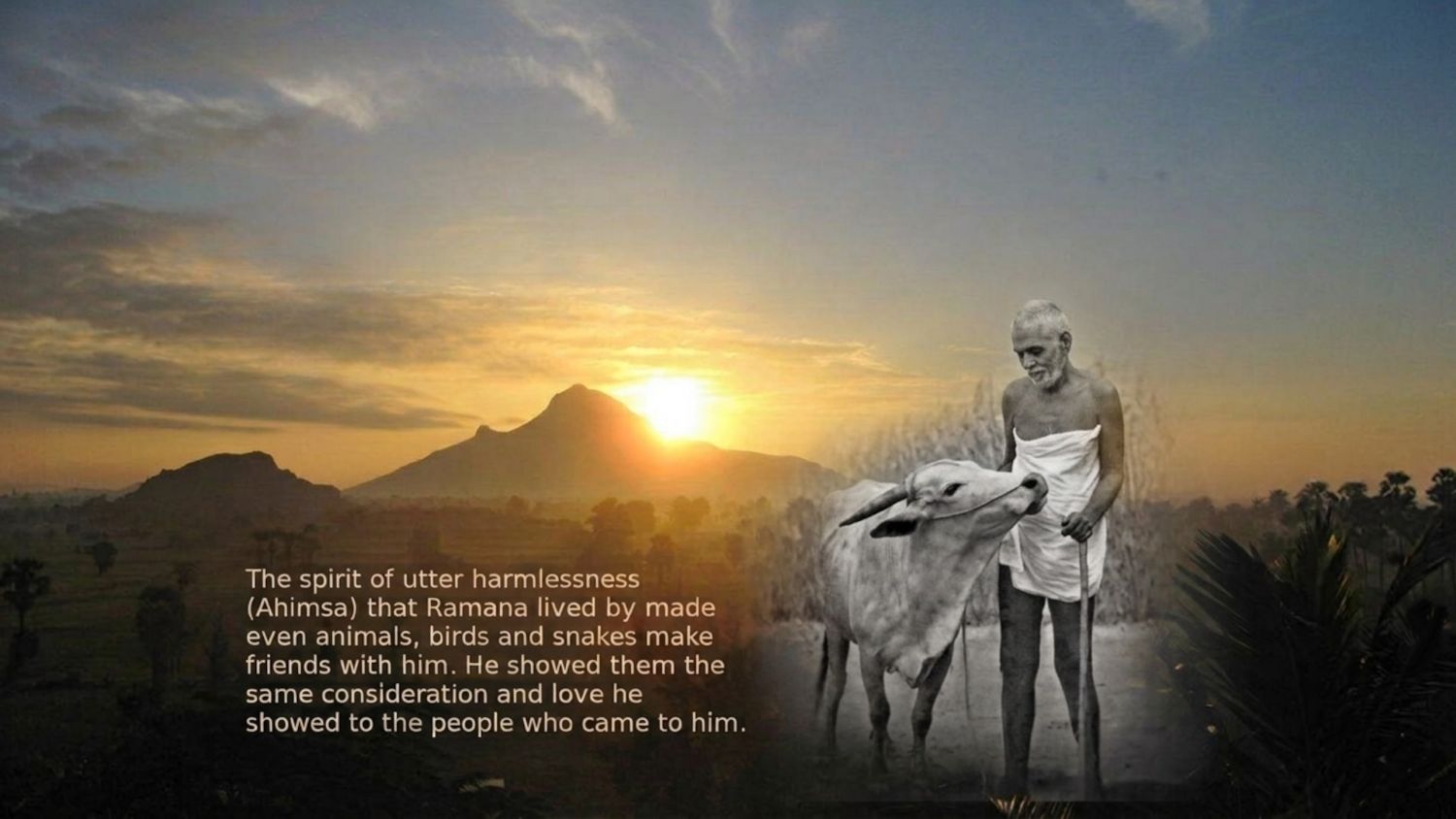
The Spirit Of Harmlessness
The profound realities surrounding the suffering of animals within slaughterhouses are frequently shrouded by our ingrained habits and the societal conventions that perpetuate meat consumption. For an extended period, I found myself in a state of cognitive dissonance, pretending that the harsh truths did not exist. This internal struggle manifested as psychological tension and a deep-seated discomfort, stemming from the contradiction between my actions and my deeper ethical beliefs. It was all too convenient to sidestep this discomfort by adopting superficial rationalizations, such as the philosophies of certain Western spiritual teachers I once admired. They posited that enlightenment transcends dualistic notions of "right" and "wrong," suggesting that attachment to ideologies — even a compassionate one like veganism — was merely a mental construct.
Consequently, I continued to consume the diets ingrained in me from childhood, where my caregivers routinely served three meat-based meals a day, a practice deemed entirely normal. This lack of intuitive inspiration to change allowed me to unwittingly support the insidious cruelty endemic to the meat industry, erroneously believing that animal products were vital for my health and well-being. This perspective enabled me to indulge my sensory preferences while conveniently ignoring the unsettling reality that something was fundamentally amiss.
It was only upon confronting the truth through impactful documentaries such as Earthlings that I felt compelled to align my actions with my conscience. The teachings of spiritual luminaries like Shri Ramana Maharshi resonated deeply within me, illuminating the consequences of my dietary choices. To persist in consuming meat would signify a choice for ignorance, a retreat into a state of indifference, denial, and complicity — a refusal to acknowledge the suffering endured by sentient beings.
The journey of animals to slaughterhouses is often a brutal and harrowing experience, one that remains largely unnoticed by society. These creatures are packed into trucks under harsh conditions, deprived of sustenance, and upon arrival, they frequently encounter violence. The fear they exhibit as they are forced from the trucks starkly illustrates the inhumane treatment that has become normalized within our food systems.
Moreover, the illusion of ethical consumption is perpetuated by terms such as organic or happy meat. Many individuals believe that these choices absolve them of guilt, yet they remain blissfully unaware of the grim realities that lurk behind the scenes. Even within so-called humane slaughterhouses, shocking footage reveals that animals still endure violence and neglect. The claims of slaughterhouse owners expressing shock upon witnessing cruelty highlight a profound disconnection from the suffering they inflict.
It is crucial for those who justify their meat consumption, including some prominent enlightened individuals today, to confront these uncomfortable truths. I implore them to engage with documentaries that unveil the grim realities of animal slaughter and to reflect on whether they can still defend their choices in light of this new-found awareness. The journey toward understanding and compassion necessitates that we confront our unconscious behaviours and the impact of our dietary choices on the lives of these animals.
Even now, I find myself wrestling with my past unawareness, which allowed me to dissociate from the inherent cruelty inflicted upon animals in the meat, dairy, and fishing industries. How can I reconcile my 'awakened' state with the ongoing consumption of these products? It feels profoundly contradictory to advocate for compassion while simultaneously contributing to systems of suffering.
I recall years ago when my spiritual teacher, Isa, encouraged me to explore the connections between commercial farming, the harsh realities of slaughterhouses, and the ethical dilemmas inherent in the dairy industry. These inquiries are not mere rhetorical exercises; they lie at the very heart of our moral responsibilities. I had to confront the reality that perpetuating the practice of carnism — a hidden belief system — meant choosing to remain oblivious and employing sophisticated psychological defenses to justify it.
I recognize that challenging established norms often meets with resistance, as it requires dismantling deeply entrenched self-deceptions and collective beliefs. Nevertheless, I firmly believe we have a moral obligation to treat all animals with respect. This includes ensuring they have living conditions that allow them to lead fulfilling lives, whether in captivity or the wild, and actively preventing any form of cruelty. In this context, silence equates to complicity.
In contemplating the nature of suffering, whether in dreams or waking life, we must acknowledge that the experiences of others — both human and non-human — are genuine and deserving of our empathy. Thus, whether this existence is real or merely a dream, the suffering we witness should matter to us, as it reflects our interconnectedness and shared responsibility.
How should we respond to suffering observed in a dream?- Michael James is a respected authority on the teachings of Ramana Maharshi.
Let us consider the possibility that this waking life is, in fact, just a dream (as Sri Ramana suggests). In this dream, we encounter numerous beings (both human and non-human), and they appear real to us, making their joys and sufferings seem equally real. If a beloved friend or relative is enduring excruciating pain from terminal cancer, we do not console them by asserting, "You are merely a part of my dream; your suffering is a figment of my imagination and, therefore, does not matter." When someone we cherish suffers, we cannot escape the pain of witnessing their anguish. Even if we convince ourselves that this is all a dream, we cannot avoid feeling distressed when we see them in pain.
Thus, whether this waking state is real or merely a dream, as long as we are experiencing it, all the beings we encounter seem real to us, and their suffering should matter. They may be creations of our mind, but if that is the case, so too is the self we currently experience. http://www.happinessofbeing.com
https://youtu.be/0gwOzzGibsg
https://youtu.be/9FCsyK4aRXQ
https://www.gut-aiderbichl.com/en/