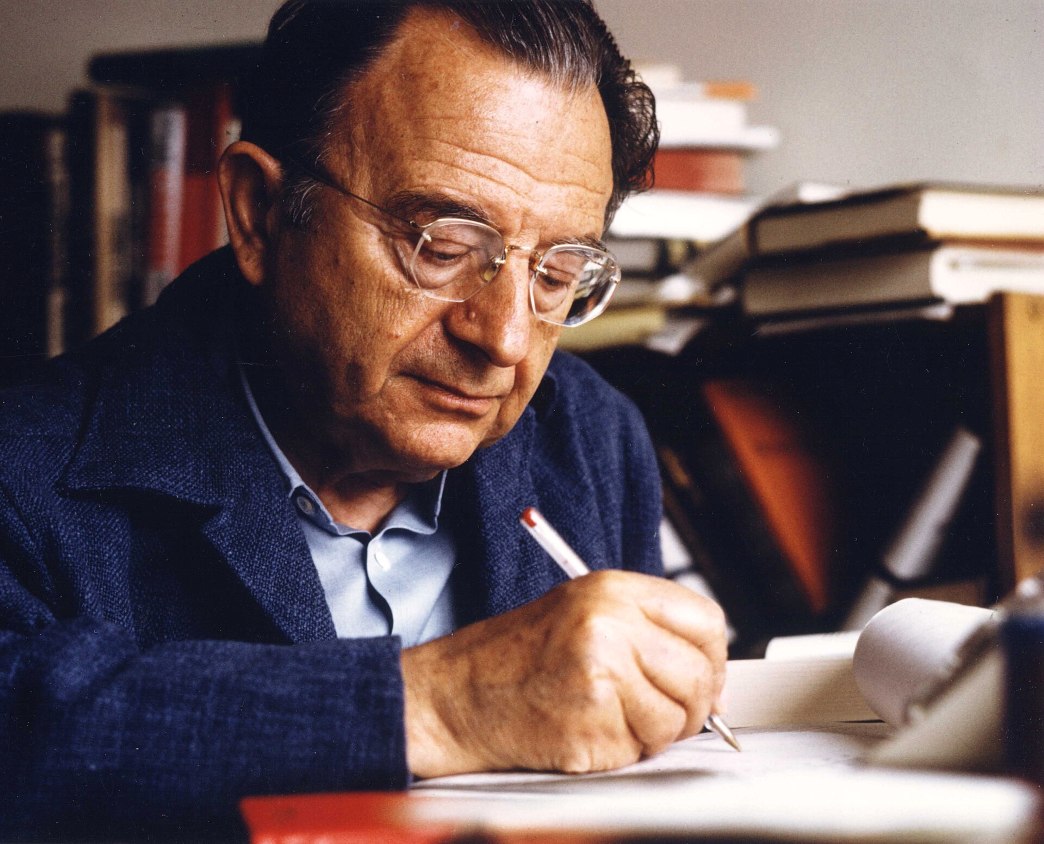
Erich Fromm
Erich Fromm’s paradigm of humanistic psychoanalysis establishes a profound nexus between the architecture of human personality and the socio-cultural frameworks that contain it. At the core of his inquiry lies an existential paradox: humanity’s relentless pursuit of autonomy concurrently births an acute, debilitating dread of isolation.
Positioned at the intersection of neo-Freudian psychology and critical social philosophy, Fromm posited that the historical expansion of political and individual liberties did not culminate in holistic liberation. Instead, it engendered a profound alienation - severing humanity's primordial bonds with both the natural world and fellow human beings. This structural estrangement forces the modern ego to seek compensatory mechanisms, frequently yielding conformity or authoritarianism unless transcended by conscious, productive orientation.
Challenging romanticized notions of affection, Fromm redefined emotional connection not as a passive, fortuitous sentiment, but as a rigorous art form:
“Love isn't something natural. Rather it requires discipline, concentration, patience, faith, and the overcoming of narcissism. It isn't a feeling; it is a practice.”
― Erich Fromm, The Art of Loving
This disciplined praxis extends into the assertion of sovereign selfhood, wherein the individual must emancipate themselves from the tyranny of external validation. Fromm argued that societal demands for conformity often masquerade as moral imperatives, penalizing those who embody authentic freedom:
“If other people do not understand our behaviour - so what? Their request that we must only do what they understand is an attempt to dictate to us. If this is being ‘asocial’ or ‘irrational’ in their eyes, so be it. Mostly they resent our freedom and our courage to be ourselves. We owe nobody an explanation or an accounting, as long as our acts do not hurt or infringe on them. How many lives have been ruined by this need to ‘explain’, which usually implies that the explanation be ‘understood’, i.e. approved. Let your deeds be judged, and from your deeds, your real intentions, but know that a free person owes an explanation only to himself - to his reason and his conscience - and to the few who may have a justified claim for explanation.” ― Erich Fromm, The Art of Being
https://youtu.be/QhbSUeL-foU?si=DDTg3P-WD0j4ezl_
https://youtu.be/LWrmjkS0Slc?si=0LtYxCZE2q66cRla