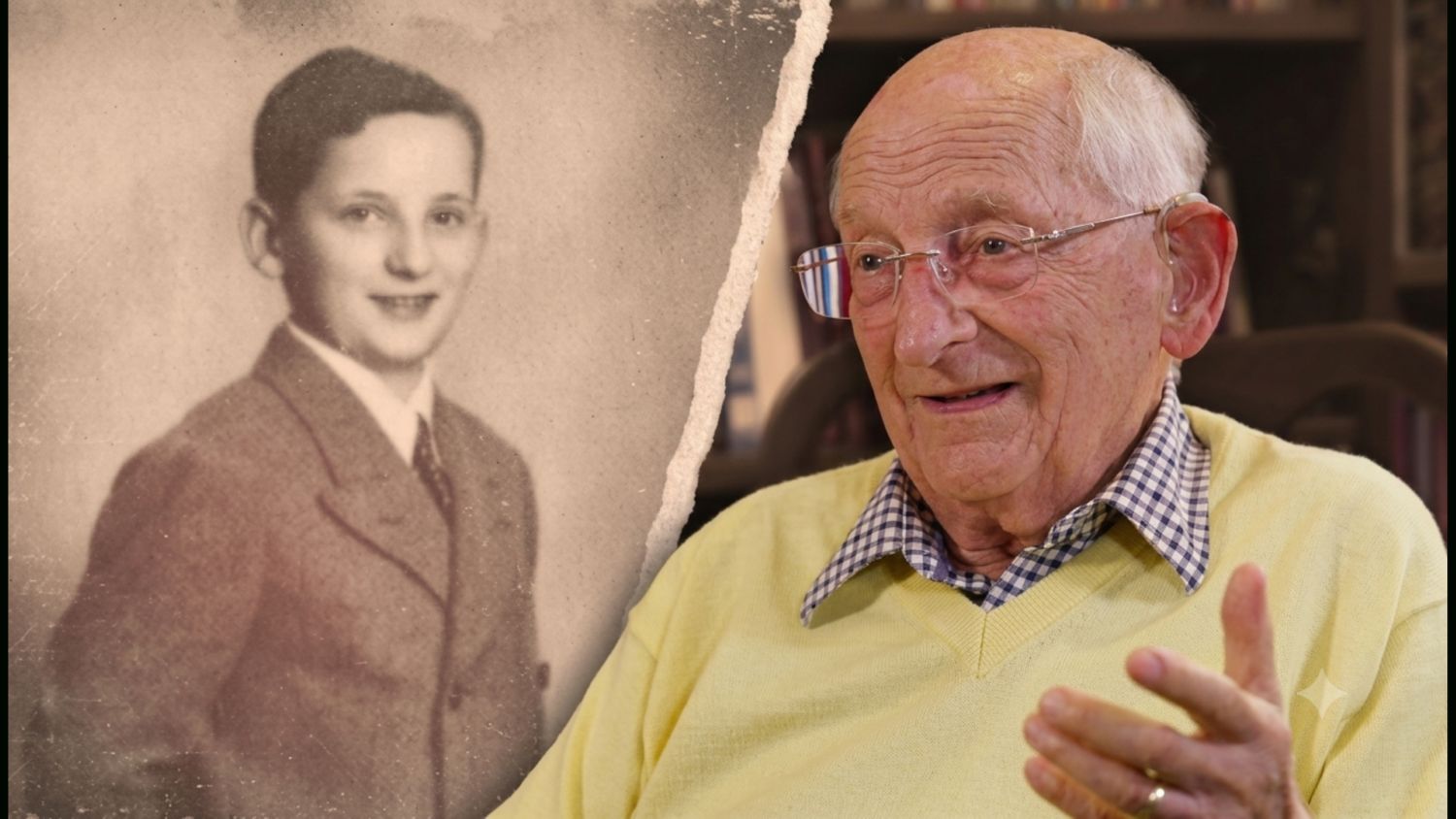
Otto Kernberg
Otto Kernberg's mentorship of Mark Epstein at New York Hospital stands as a remarkable testament to the transformative power of guidance in psychiatry. Kernberg, renowned for his intense intellectual prowess, inspired Epstein to explore the intricate dynamics of human relationships. This relationship exemplifies how mentorship can profoundly shape both, professional trajectories and personal growth.
https://www.mikaire.org/intelligent-hearts/mark-epstein
Kernberg's stature in the psychiatric community is unmatched, celebrated not only for his intellectual depth but also for his ethical steadfastness. His commanding presence serves as an inspiration rather than mere intimidation, impacting those who have the privilege to learn from him. Mark Epstein, who often reflects on Kernberg's influence during his residency, illustrates the significant role mentorship plays in shaping one's career.
Kernberg's insights, particularly his evocative statement that "Love is the revelation of the other person's freedom," resonate powerfully within therapeutic discussions and societal dialogues. His remarkable journey, from escaping the Nazi regime in Austria to leading the Personality Disorders Institute in New York, underscores his resilience and dedication to enhancing psychiatric practices.
His unique blend of classical German psychiatry with psychoanalytic and psycho dynamic theories allows him to bridge various perspectives effectively. Kernberg's candid critiques of the American psychotherapy training landscape reveal his commitment to integrity, advocating for substantial, meaningful psychotherapy amidst the challenges posed by managed care systems.
The dialogue surrounding psychotherapy is further enriched by the contributions of influential figures like Stan Grof, whose work in transpersonal psychology broadens our comprehension of consciousness and the human experience. Graham Farrant's groundbreaking research in pre- and perinatal psychology, alongside his insights into cellular consciousness and primal therapy, paves new paths for understanding early psychological development and its lasting impact on individuals.
Additionally, the explorations of R.D. Laing, Anne Wilson Schaef, Melanie Klein, Adam Phillips, and Alice Miller, along with Mark Epstein's integration of Buddhism and psychotherapy, highlight the potential for merging spiritual practices within therapeutic frameworks. Epstein’s emphasis on mindfulness as a transformative tool showcases the intersections of spirituality and psychology, offering innovative perspectives on healing.
W.D. Winnicott’s concepts of the 'true self' and 'false self' deepen our understanding of identity and emotional growth, providing critical insights into the complexities of human development and the therapeutic process.
Together, these thought leaders and their diverse contributions create a rich tapestry of ideas that challenge conventional therapeutic practices. They advocate for a holistic understanding of the human psyche, urging practitioners to embrace a multifaceted approach that acknowledges the intricate interplay of psychological, emotional, and spiritual dimensions throughout the therapeutic journey.