The pitfalls in spiritual growth
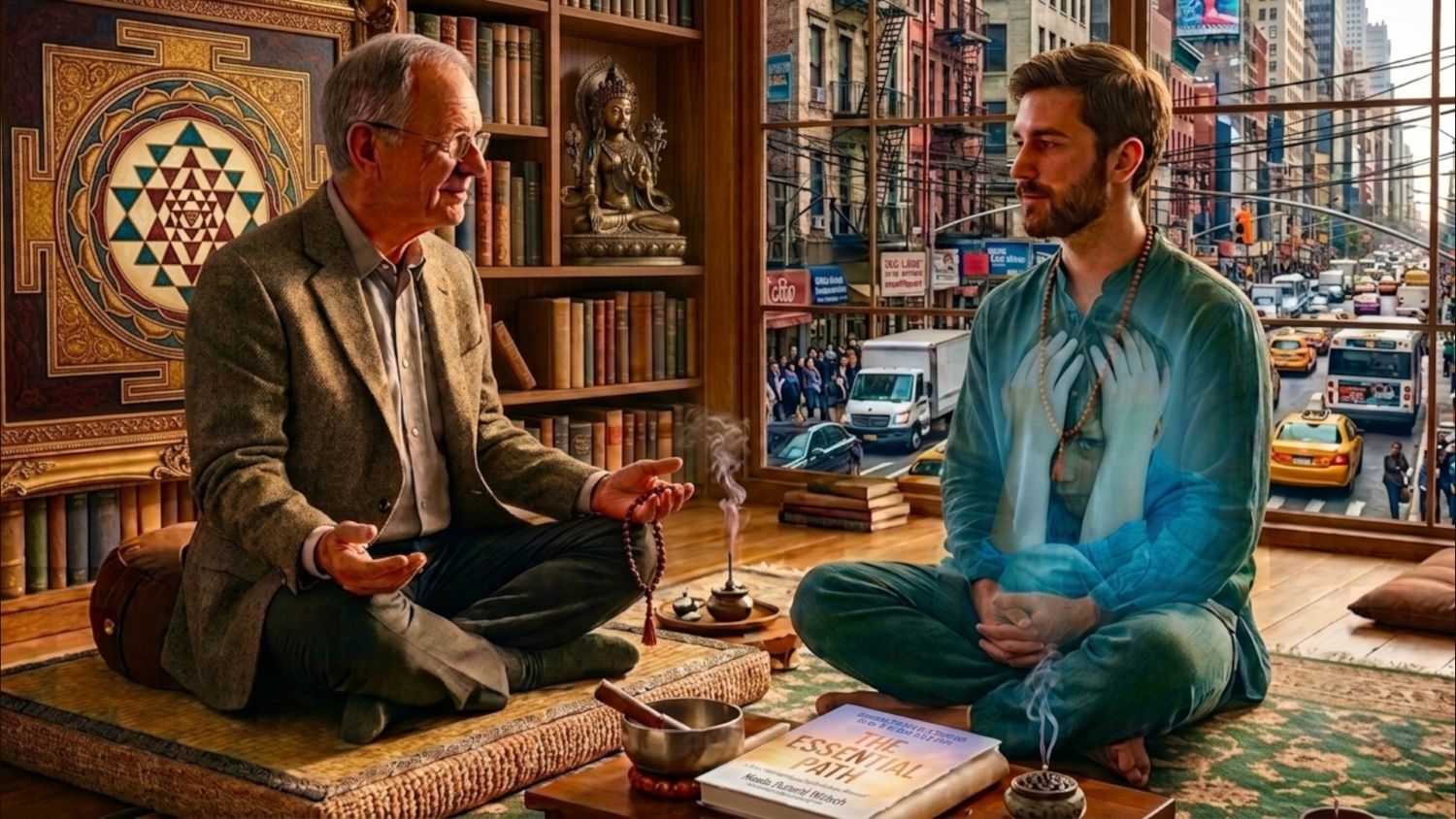
Ancient wisdom suggests that the singular purpose of human life is self-realization - the acknowledgment of one’s true essence - that only unfolds by recognizing and embracing pure consciousness. Awakened spiritual realisers throughout time have iterated on this theme; for instance, Ramana Maharshi proclaimed, The only useful purpose of the current life is to turn inward and understand one’s essence. Nothing further need be achieved. He also spoke about a long period of maturity. 30 to 40 years is required to fully integrate this realization. This profound aspiration is echoed in Patanjali’s Yoga Sutras, where he/she describes the Self as the fundamental awareness that beholds all thoughts and experiences as ephemeral phenomena. This transcendental watchfulness remains distinct from the tumultuous psychological world and resolves solely into quiet observation, unencumbered by identification or attachment.
Meditation instructors might advise aspirants to embark on extensive contemplative journeys that facilitate a deeper dive into the inner expanse via rituals such as mindfulness practice. The initial fruits of such disciplines typically result in increased awareness and insight although, regrettably, repressed memories or dormant traumas are rarely revealed. There’s a likelihood that these shadow aspects of our psyche might arise and require confrontation at times. Many awakened experienced spiritual realisers recognize that facing these vestiges head-on is expedient albeit painful toward lasting liberation. Unprocessed emotional scars often influence and impair one’s perception of reality, hindering attunement to the Self.
While mindfulness meditations undeniably provide immeasurable benefits in managing symptoms, fostering openness and facilitating experiential wisdom, I believe one should not regard these practices as a viable substitute for psychotherapeutic assistance if trauma is suspected. In some cases, engaging with certain forms of mindfulness might even resuscitate traumatic past events, precipitating a fresh crisis for some survivors.
According to Roger Walsh, a professor of psychiatry and teacher of Tibetan Buddhist meditation, the vast majority of problems encountered by his students during personal sessions require therapeutic intervention rather than meditation instruction.
A Zen master might observe that many who seek enlightenment are merely grappling with the dust of their minds, a task better suited for the broom of a skilled caretaker than the sudden flash of satori.
Psychiatrist, psychotherapist and Buddhist meditation teacher Mark Epstein explains that his central argument revolves around the idea that while meditation offers significant benefits, it's not a universal panacea for all mental health challenges. He posits that in cases of severe mental illness, such as debilitating depression or anxiety disorders, the individual's capacity to engage in and benefit from mindfulness practices may be severely compromised. In such instances, medication can serve as a crucial element of a comprehensive treatment strategy, providing the necessary stabilization to enable the patient to then effectively utilize mindfulness techniques.
The totality of our individual development could be viewed through diverse lenses. One pertinent avenue of contemplation explores the importance of transcending superficial selves, 'me' relinquishing attachments that ensnare our ego-bound awareness and fix our focal point on the fluid present moment, ever untainted by mental constructs ranging from the subatomic to the spiritual in degree. Such self-realization is a ceaseless inquiry, and it is both fruitless and counterproductive to strive for sustained states without acknowledging fully the dynamic, ever-changing landscape that is the interior human terrain.
While taking many years to come to an understanding beyond mere conceptualization, I realized that in a real sense, my ego identity is a fiction; each segment was woven into being by some previous self, like pages in a book. Similarly, we are all but parts of a greater story that has been millennia in progress - it begins before our individual tales. Once we grasp this impersonal frame of connection to the world and everyone within it - to each story - we stand a genuine chance of shedding our habitual conceits.
In the spiritual sense, the meaning of the term 'grist for the mill' has played an essential part in my journey. By that I mean, one may engage with techniques like meditation, mindfulness, or contemplative prayer, but for lasting integration and genuine transformation, the initial motivation must transcend self-centred desires and egoic fixations. Otherwise, the very patterns and attachments that brought one to the practice will inevitably continue to surface, manifesting as resistance, distraction, or even spiritual by-passing. These deeply ingrained patterns must be challenged directly, often requiring the skilled guidance of an experienced transpersonal psychotherapist. Such a therapist can help to illuminate unconscious motivations, address unresolved trauma and facilitate a deeper understanding of the self. The book The Zen of Therapy by Mark Epstein, himself a psychotherapist and psychiatrist with an extended background in teaching Buddhism, offers an excellent and insightful portrayal of this delicate and profound work, illustrating how Eastern wisdom and Western psychology can be integrated to promote healing and wholeness.
I believe true growth pivots firmly when one can look beyond oneself - seeing one’s life as an integrated role within the greater scheme toward which all human struggles are directed - as explained in the Bhagavad-Gītā - by ultimate reality’s intentionality through service to greater systems, love, compassion and responsibility. Real Self-awareness blossoms not through self-absorption but by redirecting one's compassion and intentions outward Thus the highest liberation ultimately lies in the ability to transcend our conditioned need for self-aggrandizement at every point.
To finish with Mark Epstein - Self-identity is mental static, added on to what actually sees - transitive (unaware, non-conceptual awareness, that observes the changing mental states).
In essence, non-duality can’t blossom when we are still seeing and looking to ourselves rather than looking beyond our selves – or, as the Vedanta sages say - looking towards our role in the world towards 'The Greater System'.